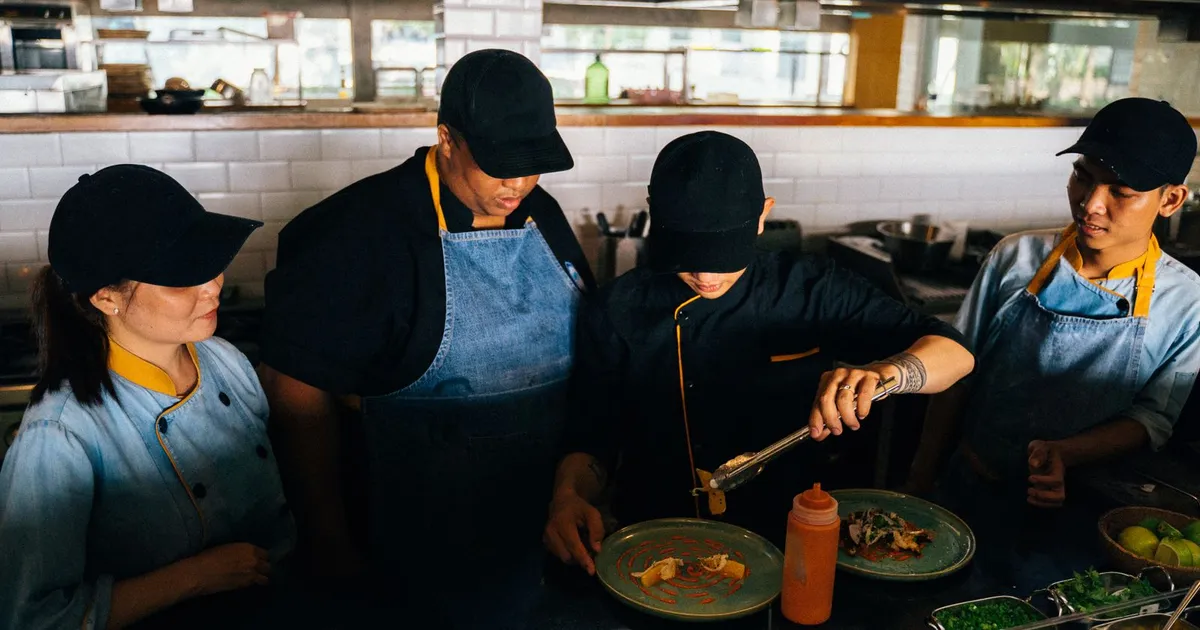
UK food hygiene law requires food handlers to be supervised, instructed, and/or trained in food hygiene “commensurate with their work activity”, a phrase that’s deliberately flexible, and one that trips up a lot of independent kitchens because it doesn’t specify an exact certificate or renewal date.
What the law actually requires
There’s no single legally mandated qualification for every food handler. What’s required is that training is proportionate to the risk of the role: someone handling high-risk, ready-to-eat food needs more than someone restocking dry goods. In practice, most independent kitchens use a recognised Level 2 Food Hygiene and Safety certificate as the baseline for anyone handling food directly, with supervisors or managers often holding Level 3.
What actually gets checked at inspection
An EHO isn’t usually asking to see a wall of certificates as the main evidence. They’re far more likely to:
- Ask a member of staff directly, often not the owner or manager, a practical question, like what they’d do if they found a fridge running warm, or how they’d handle an allergen query
- Check whether training records exist for current staff, including anyone recently started
- Look at whether your safe methods (from SFBB) match what staff can actually describe doing
A confident, correct answer from a junior staff member carries real weight. A shrug, or “I’d have to ask someone,” undermines the paperwork even if certificates exist on file: it’s the same “staff who can’t answer questions” gap that shows up again and again in common rating mistakes.
Where independent kitchens fall down
- New starters put straight on shift before any food safety induction, with training scheduled “when there’s time”
- Training records that exist but aren’t linked to current staff: certificates for people who’ve since left, nothing current for people who’ve since joined
- One-off training, never refreshed: safe methods or menus change, but nobody re-briefs the team
- No record of who’s read and understood updated procedures, particularly after an allergen or recipe change
A practical baseline to work from
- Every new starter gets a basic food safety induction before their first unsupervised shift
- Anyone handling high-risk food holds at least Level 2 (or your equivalent standard), on record
- Training records are tied to named, current staff, reviewed when someone joins or leaves
- Safe method or menu changes trigger a re-brief, with a record of who acknowledged it
- Any staff member could answer a basic allergen or hygiene question confidently, not just the owner
The record-keeping gap, again
Much like temperature logs, the actual training often happens; owners in independent kitchens are rarely cavalier about this. What’s missing is usually the evidence: a clear, current, easily retrievable record showing who was trained, on what, and when, that doesn’t rely on a filing cabinet or someone’s memory.
Keeping training tied to the people actually on shift
Rated5 links training and safe-method sign-off directly to individual staff accounts, with versioned re-acknowledgement triggered automatically whenever a procedure changes, so “did everyone see the update” stops being a guess. See how staff training tracking works in Rated5.