This is one of the most common questions independent operators ask, and the honest answer is: there’s no single fixed legal number for every type of record, which is exactly why most kitchens default to guessing, usually too short.
The general principle
UK food hygiene law requires you to be able to demonstrate due diligence: that you had a proper food safety management system in place and were following it. There isn’t one universal statutory retention period written into food hygiene regulations the way there is, say, for some financial records. Instead, the sensible approach is driven by what you might actually need the record to prove, and for how long a related issue could reasonably surface.
Sensible working periods most businesses use
- Daily temperature and cleaning logs: commonly kept for at least 12 months, so a full year of seasonal patterns and any recurring equipment issues is visible
- Corrective action records: kept alongside the relevant temperature logs, same period
- Allergen matrices and menu records: kept for as long as the dish is on the menu, plus a reasonable period after, useful if a complaint or incident is raised well after the meal
- Staff training records: kept for the duration of employment plus a period after, since a claim or query could reference training from some time ago
- Supplier and delivery records: commonly kept for at least a year, useful for tracing an issue back to its source if a batch problem emerges
If in doubt, longer is safer than shorter: the cost of storing a digital record for an extra year is close to zero, while the cost of not being able to produce one when it matters can be significant.
Why this matters beyond the next inspection
Records aren’t just for the EHO standing in your kitchen. They’re your evidence if:
- A customer makes an allergy-related complaint weeks or months after eating with you
- An environmental health investigation looks back at a specific date following a reported illness
- You need to demonstrate due diligence in any legal dispute
- You’re tracking whether a piece of equipment has a recurring fault pattern worth replacing rather than repeatedly repairing
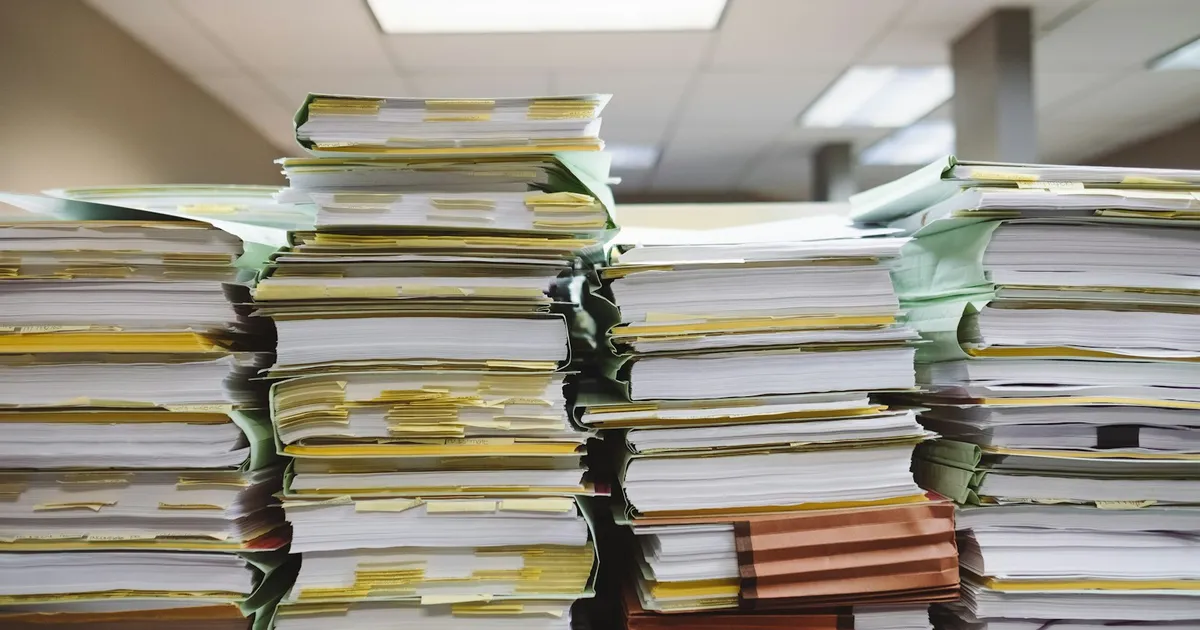
In each case, the record needs to still exist, still be legible, and still be quickly findable: a damp cardboard box of paper diaries technically “kept” for two years but impossible to search through quickly doesn’t serve the purpose nearly as well as it should.
Where paper retention quietly fails
Paper records satisfy the letter of “keeping records” while often failing the spirit of it: pages go missing, ink fades, water damage happens, and finding one specific date from eight months ago means physically searching through a stack. None of that is obvious until the day you actually need a specific record quickly: the same physical fragility that shows up in any paper-based diary more broadly.
Making retention a non-issue
Digital records solve the retention question almost by default: storage is cheap, records don’t degrade, and finding a specific date is a search box rather than an archaeology project, whether it’s a temperature log or anything else in the diary. Rated5 keeps a full, immutable audit trail automatically, so “how long should we keep this” stops being a decision you have to actively manage. See how record retention works in Rated5.